
MCAT Study Schedule 1 Month (Detailed Plan)
By Dr. Sarah Johnson • Updated 11/2/2025
Preparing for the MCAT in just one month can feel overwhelming and stressful.
Without a clear plan, it’s easy to waste valuable time and miss important topics, lowering your confidence.
But don’t panic - success is still within reach.
Use this week-by-week 1-month MCAT study plan with daily blocks, AAMC-first practice, and full-lengths to help you stay focused and manage your time efficiently.
Is A 1-Month MCAT Study Plan Right For You?
First things first: Can I really fully prep for the MCAT in 1 month?
Yes, you can, but only if you already have solid MCAT foundations (you’ve finished the pre-reqs and scored well on related class tests) and can commit full-time hours. It’s intense, so be honest with yourself about your baseline. If your date is further out than four weeks, start with our step-by-step guide to studying for the MCAT, which sets the hours and the practice-exam calendar for any timeline.
This intensive 4-week MCAT study plan is meant for a motivated student who can hit the ground running by dedicating roughly 6-8 hours per day (5-6 days a week).
Ask yourself if this describes you:
-
Prerequisites and Baseline: You’ve already completed the required science courses and are scoring near your goal on those exams. Strong fundamentals mean you won’t need to relearn everything from scratch.
-
Time Commitment: You can realistically study 6-8 hours most days (aim for at least 5 days per week). The schedule will be demanding, and longer study days will be the norm.
-
Study Stamina: You work well under pressure with a fast pace and quick feedback loops. You thrive on doing lots of practice questions and fixing mistakes rapidly.
-
Baseline Gap: If your diagnostic score is far below your goal (say, below 500 or well short of median performance), then one month might be too short.
In that case, consider a longer 6-8 week plan where you can steady your progress and solidify content before cramming. Our 8-week MCAT plan is that version, with the six scored AAMC exams placed on numbered days and the weekly hours you need to make them fit. If you can push the date out further, our 3-month MCAT study schedule is the version with room for all six scored AAMC practice exams instead of a cut-down set.
If most of the above fits you, then a one-month MCAT schedule could work. If not, it may be wiser to start earlier or postpone the exam to allow more study time.
What If I’m Working or Have Other Life Commitments?
Even with a busy schedule, you can approximate this 1-month MCAT study plan:
Shorter Weekdays, Longer Weekends: Aim for 3-4 focused hours on weekdays (maybe broken into early morning and evening sessions) and 6-8 hours each weekend day. Use any free evening or lunch break effectively.
Micro-Study Sessions: Keep flashcards or pre-made question sets on your phone or laptop. Flash through them in short bursts (commute, breaks, mornings). Even single CARS passages during coffee breaks add up.
Extra Week If Needed: If practicing shows you’re behind, it may be better to slide the schedule and add an extra week. An extra few days can let you retake each FL or review stubborn topics without rushing through. Prioritize quality of study over sticking to exactly four weeks.
Same Core Focus: No matter the hours, AAMC-first practice and thorough review stay mandatory. Use any time you have to do official questions and error analysis - these are the highest-leverage activities.
Busy schedules mean creative planning, but the principles don’t change. Consistency and smart review are your friends.
48-Hour Kickoff
Right at the start of your prep, use the first two days to lay the groundwork:
- Take a Diagnostic Test: Under realistic conditions, do an AAMC Sample Test or even the first official Full-Length (FL1) exam.
Treat it like a real test (timed sections, official breaks). This gives your baseline score and highlights your strongest and weakest areas.
- Review Every Miss: Go through each wrong answer immediately. For every mistake, jot down why you missed it.

Was it a content gap, a misread, a timing issue, or careless error? Tag each miss accordingly (you’ll fix them faster that way).
- Set Goals: Define your target MCAT score and set intermediate milestones (like “my goal for Week 1 is a score of X on practice tests”).
Having weekly check-in goals helps you track improvement and stay motivated.
- Lock It In: Choose your official MCAT test date (if you haven’t already), then block out on your calendar the dates for your three full-length practice tests.
Spread them evenly: roughly one at the end of Week 1/ start of Week 2 (FL1), one at the end of Week 3 (FL2), and one early in Week 4 (FL3).
Too last-minute or crowded schedules can add stress, so planning ahead is key.
Core Principles For 4 Weeks
Keep these guiding rules front and center throughout your intensive 1-month prep:
- AAMC First. Always.
Prioritize official AAMC materials above all other resources. The AAMC Question Packs (QPacks), Section Bank, Sample Test, and Full-Length exams are closest to the real MCAT. Do these first before any other practice questions.
- Practice Every Day, Review Even More.
Don’t just cram content; you must practice daily. Each study day should include active practice (passages or problems) followed by thorough review of every question. Deep review is where learning happens.
- Daily CARS.
Read at least 30–60 minutes of CARS passages every day, even if it’s just one section of 5-8 passages. Consistency in CARS practice builds up your critical reading skills and stamina. For comprehensive strategies, check out our guide on the best way to study for MCAT CARS.
- Track Errors, Fix Causes, Retest.
Keep an error log (a notebook or spreadsheet). After each practice session, write down what you missed, why, and how you’ll fix it (content review? strategy adjustment?). Later, retest those problem areas to ensure you truly corrected them.
Study Tools You’ll Need
Prepare these MCAT study tools and resources in advance. They’ll keep you organized and ensure you’re studying the right things in the right way.
- AAMC Official Materials: This is your primary arsenal that should anchor your study.
Have the Official AAMC Sample Test, the three Official Full-Length practice exams (FLs), the three content Question Packs (Bio/Biochem, Chem/Phys, Psych/Soc), and the Section Bank (50 questions/section).
- One Quality QBank: Choose one comprehensive MCAT question bank for extra practice (UWorld is a popular choice).
A good QBank offers competitive, realistic questions and clear explanations. Use it for additional spaced practice once you finish your daily AAMC QPack questions.
- Free Content Refreshers: Khan Academy MCAT videos, AK Lectures, and online formula sheets can help on weak topics. Use them especially if you need to quickly review something. For a complete list of free resources, see our guide to the best free MCAT resources.

-
Flashcards/Anki: Use specialized MCAT flashcard decks (physical or digital like Anki) to drill weak facts, equations, and mnemonics. This is how you’ll keep key details sharp. Carry some with you for short review bursts. Check out our review of the best Anki decks for MCAT to find the right deck for your needs.
-
Timer and Quiet Setup: Have a reliable timer (your phone or a stopwatch) for timed sections, a CARS timing tracker, a distraction-free study space, and headphones with noise cancellation if it helps.
-
Error Log: Keep a simple notebook or spreadsheet handy to jot down mistakes and corrections immediately.
-
Study Planning Tools: MCAT Study Planner is a great free tool to automatically create a customized 4-week MCAT study calendar and keep you on track. For more options, see our guide to the best MCAT study plan builders.
Week-by-Week Overview
A quick glance at how your study emphasis shifts each week would look like this:
-
Week 1: ~60% content review, 40% practice. End the week with FL1.
-
Week 2: ~40% content, 60% practice. Begin strict timing drills and, if possible, start the AAMC Section Bank mid-week.
-
Week 3: ~20% content, 80% practice. Take FL2 at the end of Week 3, then devote time to heavy review of it.
-
Week 4: Targeted tune-ups only (review weak content), take FL3 early, then taper off studying and get rest.
Plan on putting in about 6-8 hours of focused study on most days. Don’t forget to include breaks within that time. Have one day each week to rest.
Here’s the broad plan for each of the four weeks. Think of it as a skeleton schedule you can flesh out daily.
Week 1
-
Diagnose & High-Yield Review. Use your early diagnostic results to focus on high-yield content weak spots (e.g., if Bio is shaky, review amino acids, cell structure, and genetics first).
-
Start Your Daily Routine. Each day, study a bit of content, then do practice questions on that topic. Aim ~60% of study time on content review, 40% on practice.
-
Begin Daily CARS (even just 30 min).
-
Full-Length Practice. At the end of Week 1 (or start of Week 2), take the AAMC FL1 under test conditions.
Week 2
-
Fill Gaps & Ramp Practice. Analyze FL1 results. Tackle the biggest gaps discovered.
-
Continue Content Review (now about 40% of your time) and significantly increase passage practice (~60%).
-
Introduce Strict Timing. Start practicing with actual MCAT time limits on sections and even use break times like on test day.
-
Section Drills. If you haven’t yet, begin working through the AAMC Section Bank by subject; it’s a great way to drill tough questions by section.
Week 3
-
Heavy Practice & Strategy. Shift to mostly practice-based (around 80% practice, 20% review).
-
Full-Length Practice. Take AAMC FL2 at the end of Week 3.
-
Refine Timing. All week, do lots of mixed and timed passages, and run at least 1 or 2 full-length simulation sit-downs mid-week (not necessarily graded, just for pacing).
-
Test Review. After FL2, spend the next day or two reviewing every mistake thoroughly.
-
Lighten New Content Review. Focus only on quick refreshers for anything still troublesome.
-
Build Test-Taking Stamina by simulating full sections in exam mode (59-minute timing).
Week 4
-
Polish & Taper. Use the first part of Week 4 to address the lingering weak spots identified by FL2.
-
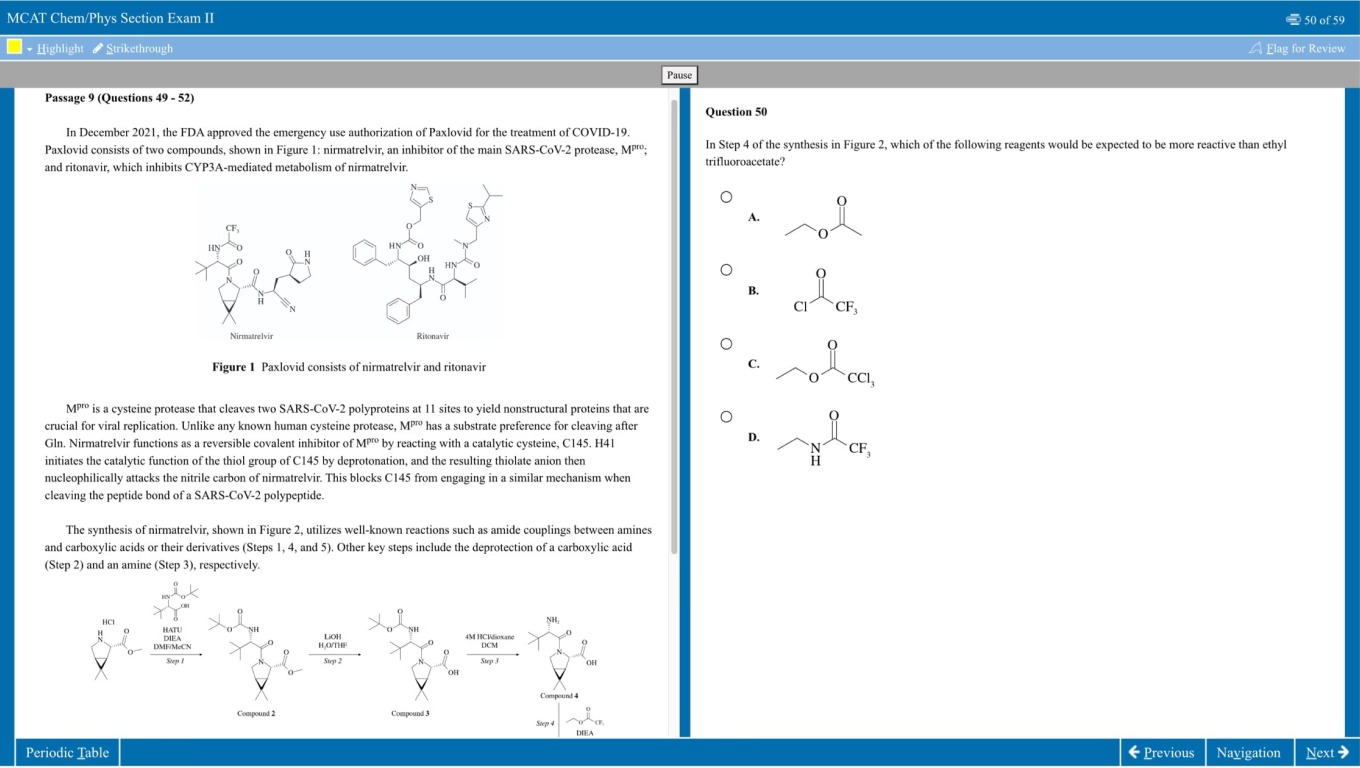
Full-Length Practice. Take AAMC FL3 early in the week under real test conditions.
-
Review it fully (cross out careless mistakes, refine strategies).
-
After this final exam, taper: reduce study volume, do only light practice or mixed review sets, and focus on restful review (flashcards, summary sheets). By test day, you should feel prepared and rested.
Daily Study Block Template
Aim to structure each day with roughly 4 four study blocks.
For example:
- Morning
Master a content topic. Spend 60-90 minutes reviewing one subject chapter or concept (via notes, a video, or summary charts).
Immediately follow with 5-10 targeted questions on that same topic from your QBank or QPack to reinforce learning.
- Midday
Drill CARS. Spend 30-60 minutes on a small CARS passage set.
Focus on reading for structure and author intent, then review each answer choice carefully. This builds your reading stamina.
- Afternoon
Mixed practice. Do a set of 2-4 passages across different subjects (biology, chemistry, physics, psych/soc). Time yourself as if it’s part of a real section.
Afterward, spend plenty of time reviewing every correct and incorrect answer. Reread tricky passages to locate evidence for the right answers.
- Evening
Wind down with flashcards and light review. Spend 20-30 minutes on an Anki or flashcard session covering facts, formulas, or questions you missed earlier.
Then take a break: a short walk or some light reading (non-academic) to clear your mind. This helps solidify memory and reduce burnout.
Feel free to adjust the timing blocks to your own schedule.
The key is consistency: rotate content review and practice throughout the day rather than cramming one subject all day. And every evening, give yourself a breather so you don’t overwhelm your brain.
Full-Length Test Plan
3 official AAMC full-length practice tests (FL1, FL2, FL3) should be enough in this 1-month prep timeline, provided you thoroughly review them.
Here’s how to schedule and use them:
AAMC FL1 (Week 1/2): Take your first full-length practice test at the end of Week 1 or start of Week 2.
Simulate real test conditions completely: do each section in MCAT time (with two short breaks and one lunch break).
The next day, review every single question. Focus on understanding why you missed anything - content gaps, misinterpretation, etc. Adjust your study plan to target these weaknesses.
AAMC FL2 (Week 3): Schedule the second full-length near the end of Week 3.
Again, treat it like the actual test day. Note your pacing and stress.
Review this test thoroughly the next day, just like FL1. By this point, you should see improvement and know which areas still need polish.
AAMC FL3 (Week 4): Take your final practice test early in Week 4.
You should be as prepared as possible by now, so aim to maximize your realism (eat the same breakfast, follow the break schedule, etc.).
Afterward, spend 1-2 days reviewing it deeply. This will be your last insight into any minor gaps.
Simulation is Crucial. For each practice exam:
-
Use real scratch paper or a whiteboard.
-
Use a timer to keep to the exact timing (95 minutes for Chem/Phys; 90 minutes for CARS; 95 minutes for Bio/Biochem; 95 minutes for Psych/Soc).
-
Take a 10-minute break after Chem/Phys, a 30-minute mid-exam break after CARS, and another 10-minute break after Bio/Biochem.
-
Practice sitting still for the full duration. This builds the endurance you’ll need on test day.
Remember: it’s not just about mindlessly taking the full-length exams, but about learning from each one. Review is where points are gained.
If you have more time, you can spread the tests out earlier, but don’t take more than 3 in 4 weeks.
Week 4: Test Week Plan
A composed approach in the final days can boost your score as much as cramming can hurt it. So, in the final week (7 days before test day to the day-of), taper and fine-tune:
- 5-7 Days Out:
Everything should be light review. Do mixed question sets (past materials or a section bank set), high-yield flashcards, and avoid learning any large new topics.
Aim to reinforce (not overwhelm). Trust what you’ve already learned.
- 2-3 Days Out:
Shift to confidence-building. Practice half-length sections or a random set of 30-40 questions for a quick win. Review any remaining formulas or key concepts one last time.
Double-check logistics: know the route to the test center, have your ID and snacks ready, and confirm your sleep schedule.
- Day Before:
Rest! Do a quick skim of flashcards if it relaxes you, but no heavy work. Hydrate, eat well, and plan nothing stressful.
Pack your bag (admission ticket, ID, snacks like a banana or granola bar, water bottle, mask, etc.).
Get to bed early; you’ll want a full night’s sleep.
- Test Day:
Wake up early, eat a breakfast you’re used to (avoid new foods), and arrive at least 30 minutes early to the center.
During the test, stick to the plan: breathe during breaks, refuel lightly, and remember to stretch your legs briefly.
Pace yourself calmly; you’ve trained for this. Trust your months of preparation - confidence is key.
High-Efficiency MCAT Study Tactics
This one-month MCAT study schedule is challenging, but with consistency and smart planning, you can make every study hour count.
There are a few study approaches you should employ to make your MCAT prep that much more efficient, within a tight time frame:
-
Focus on the key high-yield MCAT content.
-
Refine your practice & review methodology.
-
Practice CARS daily.
-
Work on your timing and test-taking endurance.
-
Use your practice test results to adapt.
-
Take care of yourself.
Now let’s look a little closer at these highlighted study tips.
- High-Yield Content Focus
With limited time, lock in the MCAT’s most tested topics.
Focus your limited study time on these high-yield areas first. That way, you maximize points on easier gains before drilling super niche details.
- Biology/Biochemistry
Refresh amino acids and protein structures, enzyme kinetics (Km, Vmax concepts), major metabolism pathways (glycolysis, Krebs cycle, oxidative phosphorylation), basic genetics (inheritance patterns, DNA replication/repair), and cell biology (organelles, membranes, transport).
- Chemistry/Physics
Concentrate on kinematics and Newtonian mechanics (motion, forces, energy, work), fluid statics/dynamics (fluids in motion, blood pressure basics), electrostatics and circuits (Coulomb’s law, Ohm’s law), acid-base chemistry (pKa, pH calculations), and thermodynamics (ideal gas laws, heat transfer, first law).
If formulas are needed, make sure you know the basics. For a comprehensive guide to mastering MCAT physics, see our article on the best way to study for MCAT physics.
- Psychology/Sociology
Cover research methods (study designs, statistical significance, bias, and ethics), theories of learning and memory (classical/operant conditioning, memory models), behavior (developmental stages, psychological disorders), and population/society topics (demographics, culture vs. social structures, healthcare disparities).
These topics frequently appear in Psych/Soc passages.
- CARS
For passages, practice the skill of reading for the main idea and the author’s intent. After reading a passage, ask: What is the author arguing? What tone do they use? Do not rely on outside facts? Only use information presented within the passage.
Get comfortable with inference questions and distinguishing subtle differences in answer choices.
- Refining Your Practice & Review Methodology
Make every practice question count by following this routine:
- What, Why, Fix
After each practice passage or question set, immediately answer three questions in writing (or a notes app):
-
What did I get wrong?
-
Why did I make that mistake? (content confusion, misreading, rushing)
-
How will I fix it? (re-study a concept, learn a trick, practice more questions)
Writing this down helps reinforce learning and avoids repeating the same mistakes.
- Error Classification
Sort mistakes into categories
-
Content gap
-
Logic/reasoning error
-
Timing/stress issue, or
-
Careless slip
For example, if you misinterpreted how an enzyme reaction works, that’s a content gap (fix by reviewing that concept). If you missed a question because you ran out of time, mark it as timing and practice more under time constraints.
- Mini-Drills
If you notice repeated mistakes on a specific topic (e.g., electron transport chain steps, or a particular psychology concept), create a mini-drill.
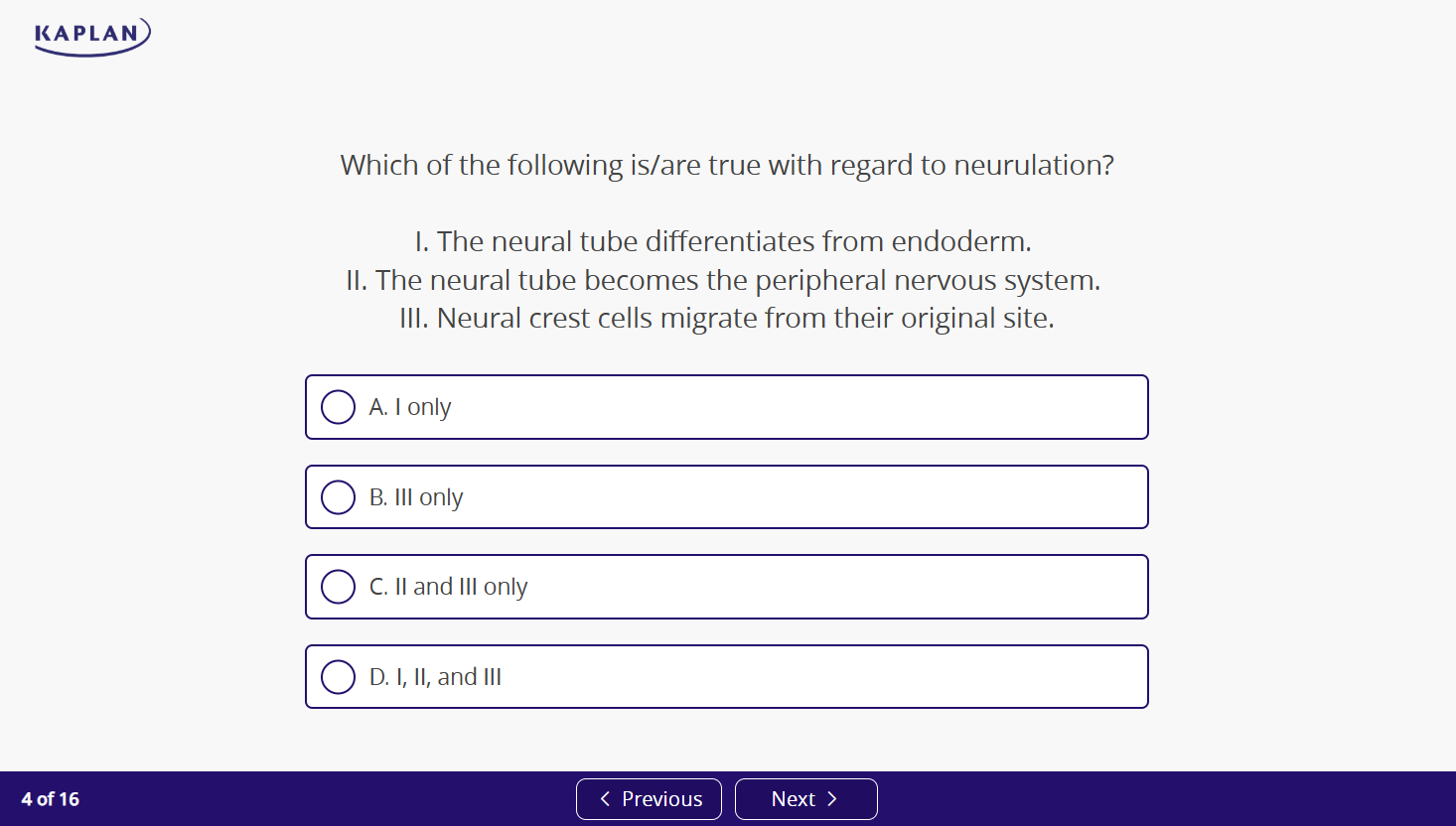
That means find 5-10 more questions on that one topic and drill them until you no longer miss them. Targeted repetition corrects weak spots rapidly.
- Spaced Reinforcement
Don’t just review a mistake once. Revisit your notes on tough topics within 48 hours after first encountering them, and then again about a week later.
Spaced repetition (coming back to old errors) strengthens memory and understanding more than cramming it all at once.
By cycling through study→practice→review→retake, you ensure continual improvement instead of blindly doing question after question.
- Develop A Daily CARS Routine
Critical Analysis and Reasoning Skills (CARS) demands consistent practice:
- 30-60 Minutes Daily
Every single study day, spend at least 30 minutes (ideally closer to 60) on CARS passages. This consistency is non-negotiable. Even a single timed passage session is better than none.
- Start with AAMC CARS Question Pack
Early on, use questions from the AAMC CARS QPack (15 passages) to get a feel for official passage style. By Week 2 or 3, start doing timed drills – for example, 2 passages in 30 minutes, then 4 in an hour.
Gradually work up to full section simulations (9 passages in 95 minutes).
- Reading Strategy
On your first read of a passage, focus on structure and the author’s voice. Identify the main idea of each paragraph and the passage overall.
Don’t try to memorize details; instead, note transitions and arguments. Avoid bringing in outside knowledge; treat the passage as a self-contained source.
- Answer Review
Review is key. For each passage done, go over every answer choice. For the correct answer, explain why it’s right. For each wrong choice, articulate why it’s wrong.
This forces you to see subtle cues and correct reasoning patterns. Over time, you’ll start recognizing common traps (like extreme language or out-of-scope details).
Good CARS skill comes with patience and daily exposure. It’s common for it to be a slow starter, but stick with it - you’ll see improvement.
- Timing and Endurance
Building test stamina and speed is just as important as content:
- Focus on Accuracy First
During Week 1, worry less about racing through questions and more about understanding them. Accuracy builds confidence.
In Week 2, gradually push yourself to speed up: time your passage sets and try to reduce linger time on each question.
- Run Timed Sections
By Week 3, you should be practicing full sections under time. For example, complete a 95-minute (Chem, Bio, or Psych) or 90-minute (CARS) section in one go, simulating the pressure of the actual test.
This will expose timing pitfalls (if you’re slow on a passage, notice it and adjust).
- Practice Break Routine
During full-length practices, follow the MCAT’s break schedule exactly. Take two 10-minute breaks (after Chem/Phys and after Bio/Biochem) and one 30-minute break (after CARS).
Use break time to refuel (healthy snack/water) and relax your mind briefly. Having a practiced break plan helps avoid panic on test day.
- Full-Length Endurance
Do at least two full 4-5 hour simulations (including breaks) before the real exam.
Sit through the whole kit and kaboodle: physically staying at the desk, no distractions. This conditions you for the actual six-hour marathon of the MCAT.
Pace yourself early, and you won’t burn out partway through. Time management on the MCAT comes from practice under realistic timing.
- Adjust Based on Scores
Use your practice test results to adapt:
- Below 500?
If a full-length score comes in well under 500 (around the midpoint), that’s a sign one month might be too aggressive. Consider extending; jumping from a 490 to a 515, for example, often takes more than a month.
- Score Plateau?
If your practice score isn’t budging, don’t just keep adding more practice questions mindlessly. Instead, deepen your review: re-study incorrect concepts, do mini-drills, and ensure understanding. Often, comprehension has caught up to your capacity to execute.
- CARS Struggles?
If CARS remains stubbornly low, add extra daily passages (increase to 5-7 passages per day if needed) and deliberately slow your reading - get the main idea and passage structure.
Review every choice of every passage: understanding WHY the correct answer is correct (and why the others are wrong) is the fastest way to improve in CARS.
For each tricky question, ask yourself if rushing caused the mistake. Slow down until you consistently hit ~80% on untimed CARS passages, then work on speed.
- Last Week Triage
In the final week, focus on sleep and calm rather than hard cramming. If you’re still tweaking content, keep it very light.
Stop adding new topics; instead, do gentle mixed content review and mental refreshers. The day before the exam, do almost no MCAT studying at all - rest, review flashcards lightly if needed, and enter test day fresh.
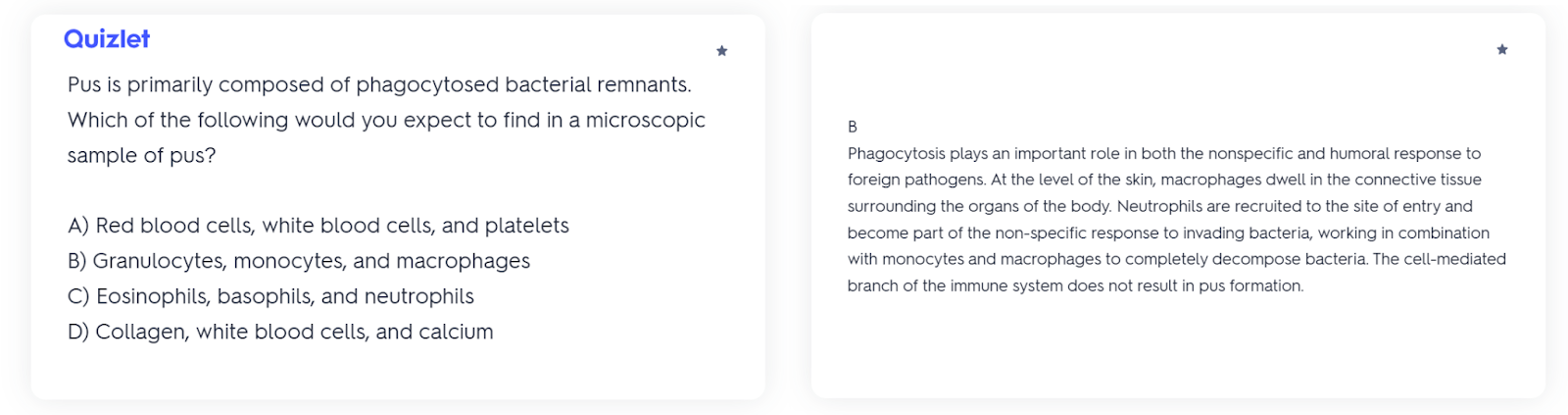
Your actual practice scores should guide your studying. If something isn’t improving, the solution is usually smarter study, not more study volume.
- Wellness and Burnout Control
Intense doesn’t mean insensible. Take care of yourself:
- Weekly Rest Day
Give yourself one full day off each week with no MCAT study. Watch a movie, hang out with friends/family, or pursue a hobby. You deserve it, and mental rest will boost your productivity on study days.
- Sleep
Sleep is non-negotiable. Shoot for 7-8 hours each night. Late nights cramming concept lists will backfire during practice exams. Your brain needs rest to form memories and make connections.
- Daily Movement
Incorporate short walks, stretching, or a bit of exercise each day. Even 10 minutes of movement can clear mental fog. It also doubles as a break to increase blood flow when you feel stiff from sitting.
- Hydration & Nutrition
Keep a water bottle at hand and sip throughout the day. Eat regular, balanced meals. Complex carbs, protein, and veggies give sustained energy. Avoid binging on junk food or skipping meals - a steady fuel supply sustains long study sessions.
Burnout is a real MCAT prep hazard. Respect your limits and recharge regularly.
Common MCAT Prep Mistakes to Avoid
Watch out for these pitfalls on a one-month MCAT study timeline:
Skipping Review: Do not just click through piles of questions. Spending time reviewing each missed question deeply is where your score improves. Never trade review time for more unreviewed questions.
Neglecting CARS: CARS can feel daunting, but skipping daily practice is a huge mistake. Make CARS part of your routine from Day 1. A strong CARS score can boost your overall MCAT percentiles significantly.
Passive Re-Reading: Rereading textbooks or notes is low-yield. Active practice (questions, flashcards, self-quizzing) is what builds MCAT skills. Always flip the script: test yourself on the material you learn.
Too Many Full-Lengths: 3 full-lengths are enough for this one-month schedule. Taking more practice tests without time to review them wastes energy. Focus on deeply learning from each of the three you complete.
Avoid these traps to stay efficient in your limited prep time.
Conclusion
To recap, this 1-month MCAT study plan is built on a few pillars: use official AAMC resources first, do daily practice (especially CARS), review every mistake, and schedule 3 full-lengths at key stages.
-
Follow the weekly schedule outlined above, but adjust it based on your practice scores and personal needs.
-
Listen to your body and mind: protect your sleep and take breaks when needed, especially in the last week.
-
Personalize the plan with your own calendar and score data. If you feel off track, tweak the focus or add a day rather than panicking.
-
Stay calm in the final days: trust your preparation, do light review, and get plenty of rest.
-
Enter test day with confidence - you’ve planned and worked hard for it.
And remember, tools like MCAT Study Planner make it easy to build a customized, free study schedule. Use them to map out your four weeks and keep on track. Good luck, you’ve got this!
Before you commit to a one-month sprint, it is worth checking the arithmetic: our data-backed look at how many hours to study for the MCAT shows what a 30-day window can realistically contain, and when to take MCAT full lengths covers how to fit practice exams into a compressed timeline.
Written by
Dr. Sarah Johnson
Last updated 11/2/2025