MCAT Content Review Schedule: My 10 Weeks Plan
By Dr. Sarah Johnson • Updated 1/15/2026
Struggling to manage the sheer volume of MCAT content?
You came to the right place.
Below is the approach used by many 520+ MCAT Scorers that will show you how to review the entirety of the MCAT content with a focus on high-yield topics in 10 weeks.
Content review is one phase of a larger plan. If you have not set your test date, your hours budget or your practice-exam calendar yet, our step-by-step guide to studying for the MCAT covers those first, and explains why content review should end six weeks before test day.
Highest-Yield Topics For A 520+ MCAT Score
When designing a high-yield MCAT content review schedule, it’s crucial to prioritize topics based on their frequency of appearance, fundamental importance, and connection to multiple concepts.
To achieve a 520+ score, your content review must focus intensely on the highest-yield, most heavily-tested, and most interconnected topics.
One subject spans two sections and is easy to underweight for exactly that reason. Our breakdown of MCAT biochemistry ranks the AAMC content categories by how much of each is tagged first-semester biochemistry, which is a useful ordering when you reach the biochem weeks below.
The opposite problem is organic chemistry, which is easy to overweight. Our guide to MCAT organic chemistry sizes it at 11.80 questions, one fifteenth of the science content, which works out to under a week of review on any timeline.
Here is a breakdown across the four sections:
- Chemical and Physical Foundations of Biological Systems
This section tests your ability to apply core physics and chemistry principles to biological systems.
| Subject | Highest-Yield Topics | Key Focus for 520+ |
|---|---|---|
| Physics | Fluids (Hydrostatic pressure, continuity, Bernoulli’s principle, Venturi effect). Circuits (Ohm’s law, resistors/capacitors in series/parallel, biological applications like cell membranes). | Focus on Fluid Dynamics (especially blood flow) and Electrostatics/Circuits as they apply to action potentials and cell membranes. |
| General Chemistry | Acid-Base Chemistry (pH, pKa, buffers, titrations). Kinetics/Equilibrium (Keq, Le Chatelier’s principle, reaction rates). | Mastery of the Henderson-Hasselbalch equation and understanding how metabolic processes affect blood buffers. |
| Organic Chemistry | Acids & Bases (relative acidity/basicity of functional groups). Carbonyl Chemistry (aldehydes, ketones, carboxylic acids, and their derivatives). Separations/Spectroscopy (IR/NMR/Mass Spec). | Focus on reagent effects (oxidizing/reducing agents) and spectroscopic analysis of biological molecules (e.g., distinguishing lipids from carbohydrates). |
In Chem/Phys, your key deliverables should be:
-
Electrochemistry mastery (this is a big C/P differentiator).
-
Fluids + circulation connection.
-
Acid/base buffer calculations.
-
Multi-loop circuits + conceptual reasoning.
-
Kinematics → Work–energy + fluid dynamics (cardiovascular tie-ins).
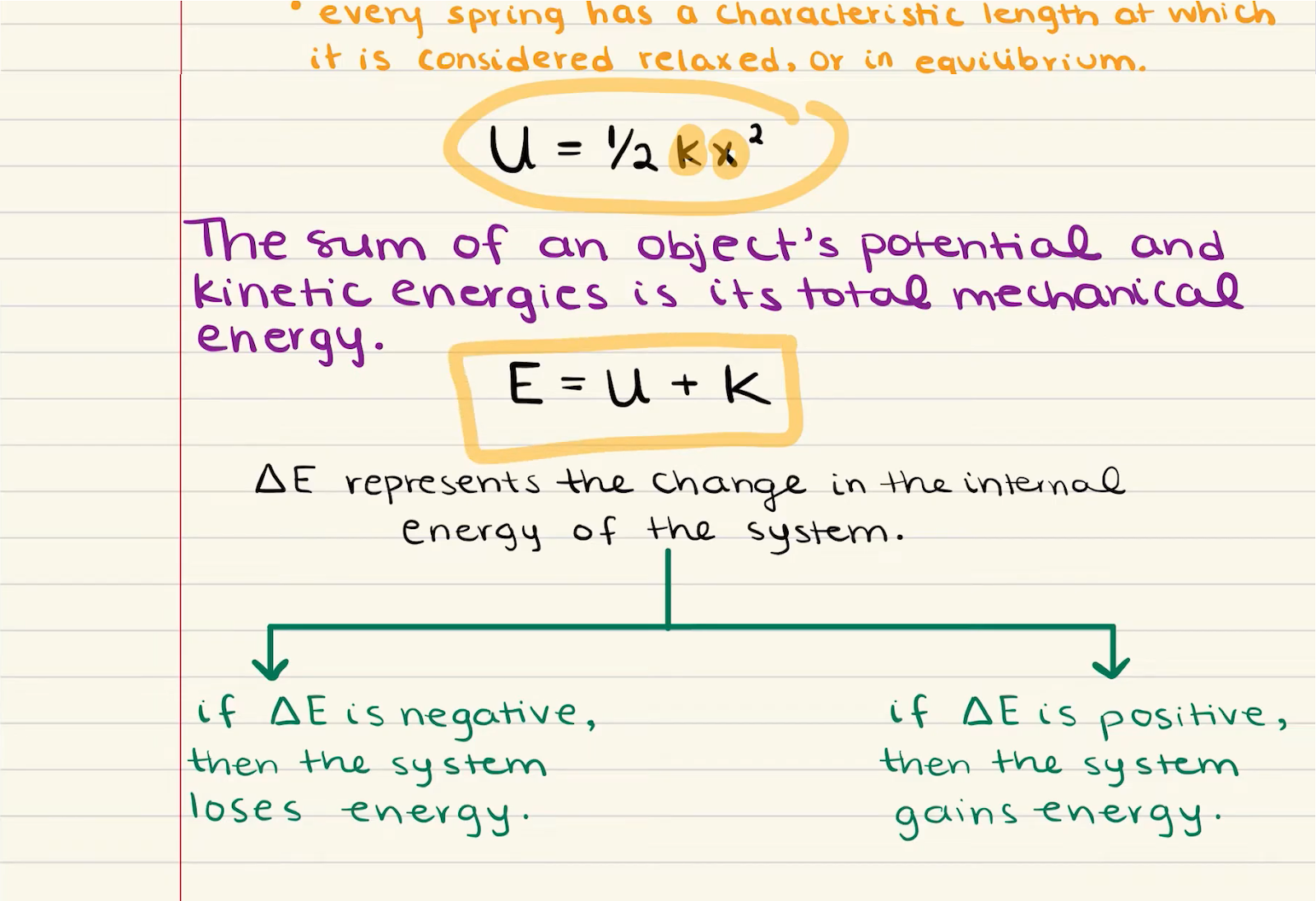
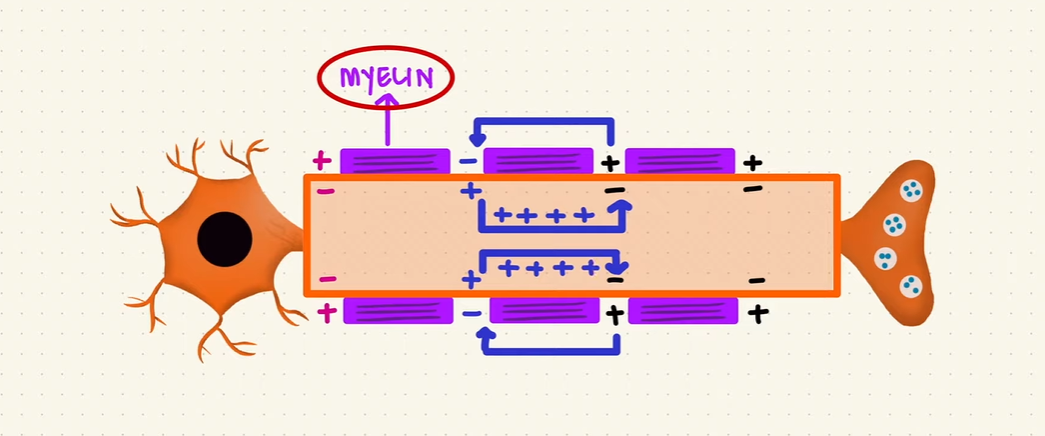
Study Tip: Relate physics concepts to physiological processes. For example, relate fluid dynamics to blood pressure regulation and circuit components to nerve impulse propagation. For more physics-specific strategies, see our guide on how to study for MCAT physics.
- Biological and Biochemical Foundations of Living Systems
This is arguably the most content-heavy MCAT section, with Biochemistry being the single most important discipline.
| Subject | Highest-Yield Topics | Key Focus for 520+ |
|---|---|---|
| Biochemistry | Protein Structure (primary, secondary, tertiary, quaternary). Enzyme Kinetics (Michaelis-Menten, Lineweaver-Burk, inhibition types). Metabolism (Glycolysis, TCA, Oxidative Phosphorylation, 𝛽-Oxidation). | Deep understanding of allosteric regulation and hormonal control of metabolic pathways. Must be able to draw/explain key intermediates and regulatory steps of the major metabolic pathways. |
| Molecular Biology | DNA/RNA Structure (nucleic acids, replication, repair). Gene Expression (transcription, translation, post-transcriptional/translational modifications). Biotechnology (PCR, cloning, blotting techniques). | Focus on the details of gene regulation (e.g., lac and trp operons, transcription factors) and the purpose/mechanism of high-yield lab techniques (e.g., SDS-PAGE, Western blot). |
| Physiology/Anatomy | Nervous System (neuron, synapse, action potential, sensory systems). Endocrine System (hormone types, feedback loops, hypothalamic-pituitary-adrenal/gonadal axes). | Connect physiology to underlying receptor mechanisms (Biochem) and physical principles (Chem/Phys). For example, understand how membrane potential relates to circuits. |
In BioChem, your key deliverables should be:
-
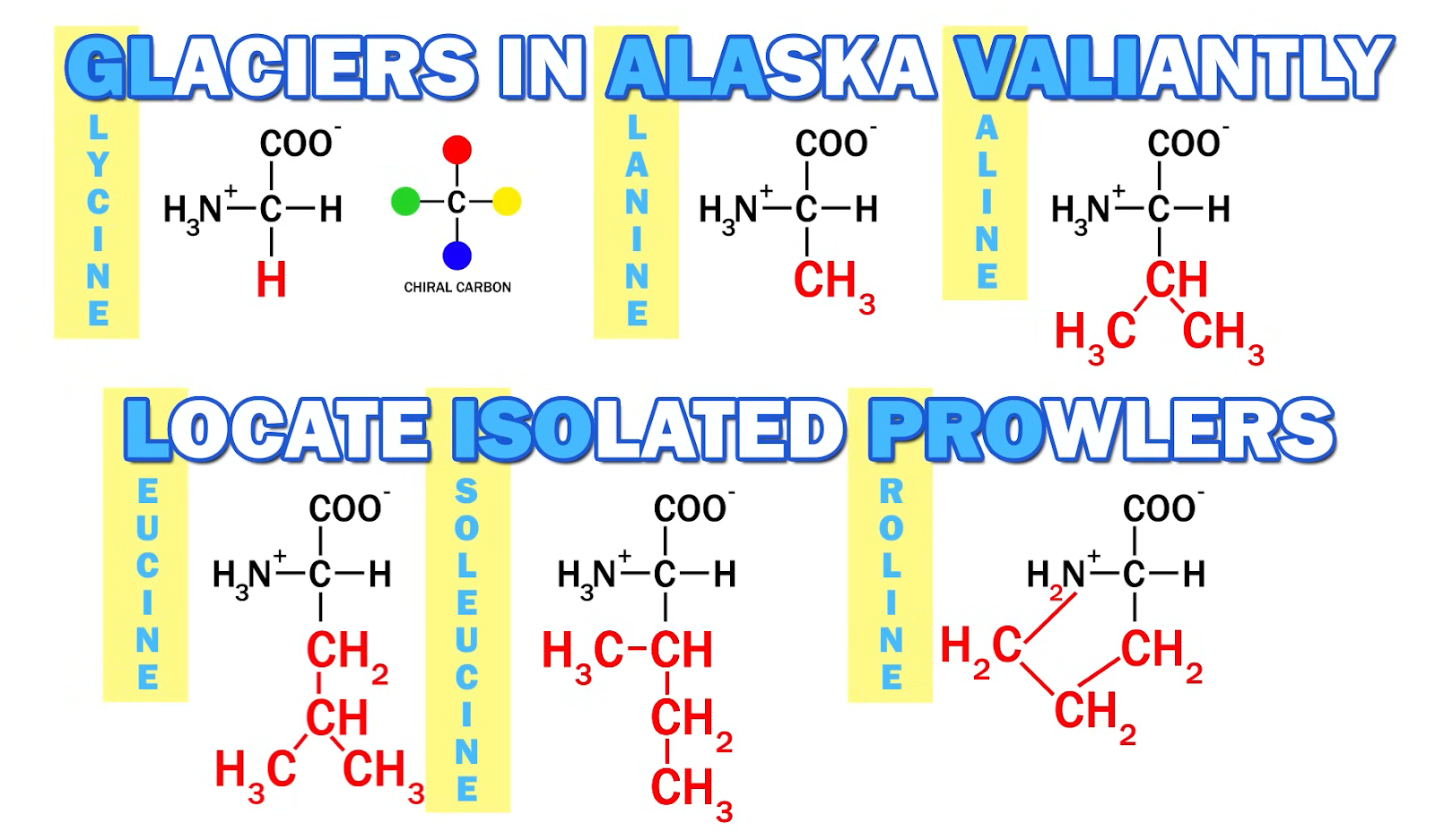
Amino acid chart fully memorized.
-
Hormonal control and physiology logic.
-
Hormones → pathways → feedback.
-
Metabolic regulation UP/DOWN logic.
-
Membrane transport + signaling cascades.
In Bio, your key deliverables should be:
-
Nervous system + endocrine system integration.
-
Organ integration: kidney–lungs–liver–endocrine systems.
-
Gene expression, inheritance, pedigrees.
-
Nervous system → neuron conduction & brain anatomy.
Study Tip: When studying an organ system (Bio), immediately review the associated hormones, metabolic pathways, or protein structures (Biochem). For example, studying the renal system (Bio) should be paired with reviewing the reabsorption and excretion mechanisms at a molecular level (Biochem/Chem).
- Psychological, Social, and Biological Foundations of Behavior
This section is unique in that it relies on memorizing specific theories and terms. A perfect score is highly attainable through dedicated content review.
| Subject | Highest-Yield Topics | Key Focus for 520+ |
|---|---|---|
| Sociology | Social Stratification (class, status, power, types of capital). Social Institutions (family, education, religion, health care). Demographics (Malthusian theory, population pyramids). | Focus on theoretical perspectives (Functionalism, Conflict Theory, Symbolic Interactionism) and applying them to health and social issues. |
| Psychology | Learning/Memory (classical/operant conditioning, memory models). Sensation/Perception (eye/ear anatomy, psychophysical methods). Attitudes/Behavior (cognitive dissonance, attribution theory). | Master the Social Psychology topics (group dynamics, conformity, prejudice). Connect neurobiology to psychological disorders and behavior. |
| P/S Overlap | Theories of Emotion (James-Lange, Cannon-Bard, Schachter-Singer). Identity/Self (identity formation, looking-glass self, role-taking). | Be able to distinguish and apply all the major psychological and sociological theories from the 300-page P/S document. |
In Psych/Soc, your key deliverables should be:
-
Sociological theories (functionalist Vs. conflict Vs. symbolic interactionism).
-
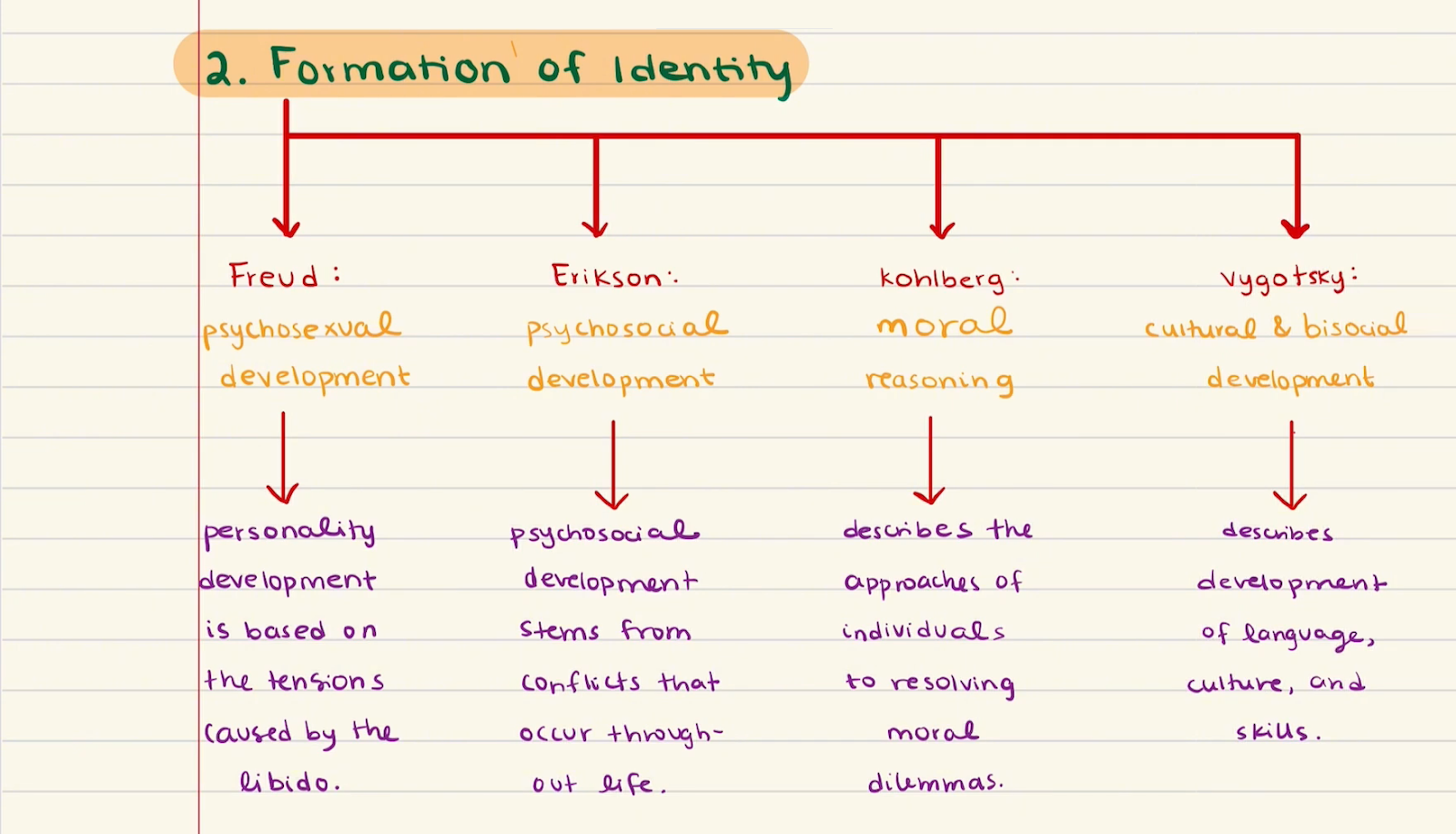
Behavior + identity theories: recognize from one sentence.
-
Research methods + graph interpretation (Distribution curves & research stats).
-
Psychological disorders + biomarkers + epidemiology.
Study Tip: Make a point ot summarize each Psych/Soc theory in 1 sentence.
- Critical Analysis and Reasoning Skills (CARS)
CARS is primarily a skills-based section, but familiarity with common humanities/social science themes can provide a slight edge. For detailed CARS strategies and practice techniques, see our guide on how to study for MCAT CARS.
Theme | Key Focus for 520+ |
|---|---|
Philosophy/Ethics | Recognizing common logical fallacies and identifying the author’s main claim and ethical stance. |
Art/Aesthetics/History | Understanding the author’s tone toward historical or artistic movements. |
Social Sciences | Being able to distinguish between evidence, opinion, and counter-argument within dense social science passages. |
What You Can Skip
Here is a guide to specific low-yield topics you can generally triage (review briefly or skip) if you are pressed for time or aiming for a score below the highest percentile (e.g., 515+):
- Chemical & Physical Foundations (C/P)
Organic Chemistry:
• Extremely obscure reaction mechanisms (e.g., specific named reactions not directly related to biochemical function, like Wittig or Grignard reagents, unless you see them repeatedly in practice materials).
• Detailed synthesis pathways (know the starting and ending molecule, but maybe not every intermediate).
Physics:
• Advanced optics (e.g., lens maker’s equation, detailed aberrations).
• Detailed aspects of nuclear chemistry (e.g., specific nuclear decay types beyond the main three, half-life problems are fine).
General Chemistry:
• Detailed solid state chemistry (crystal structures).
• Very specific colligative properties calculations beyond osmotic pressure.
- Biological & Biochemical Foundations (B/B)
Biology:
• Plant biology/Anatomy (e.g., specific names of plant hormones, vascular tissue structure).
• Niche developmental biology details (e.g., specifics of gastrulation layers beyond the three main germ layers).
• Detailed structure of bacterial cell walls beyond gram-positive/negative basics.
Immunology:
• Highly specific types of antibodies/cytokines (Know the general function of T cells, B cells, innate/adaptive immunity, and the five major antibodies, but deep dives into specific interleukins or complement pathways can be triaged).
Biochemistry:
• Obscure metabolic pathways (e.g., the Urea Cycle, Pentose Phosphate Pathway)
• Memorization of every structure of Krebs Cycle intermediates. Know the inputs/outputs and regulation points, but not necessarily the full drawing/name of every molecule.
- Psychological, Social, & Biological Foundations (P/S)
Sociology:
• Very specific, less common sociological theorists (Know the major ones like Marx, Weber, Durkheim, and key concepts like Symbolic Interactionism, but skip hyper-niche thinkers).
• Detailed demographics statistics (Know general trends like urbanization, but not specific percentages or formulas).
Psychology:
• Detailed anatomy of the inner ear/eye beyond the core structures involved in sensation (know the pathway, not the Latin name of every part).
• Specific types of psychological disorders beyond the major categories (e.g., specific phobias vs. generalized anxiety).
Recommendation: Use this list as a study guide to save time. If you have limited study time, you’d rather spend it solidifying a high-yield concept (like enzyme kinetics) rather than reading about one of the above lower-yield topics.
10-Week Optimized MCAT Content Review Schedule
Our recommended MCAT content review schedule spans 10 weeks of focused content study, assuming 25-30 hours of dedicated content review per week (5-6 hours per day, 5 days a week, plus daily review).
Weekly Time Structure (Based on AAMC Weighting) | ||
|---|---|---|
MCAT Section | Study Hours per Week | Study Area Focus |
Biology + Biochemistry (B/B) | 11 - 12 Hours | Cell Biology, Genetics, Organ Systems Physiology (Endocrine, Nervous System, Cardiovascular, Renal, Respiratory), Core Biochemistry (Amino Acids, Enzymes, Metabolism). |
Chemistry + Physics (C/P) | 7 - 9 Hours | Electrochemistry, Thermodynamics, Fluids, Circuits, Kinetics, Optics, Acid/base |
Psychology + Sociology (P/S) | 5 - 6 Hours | Learning, Memory, Mental disorders, Behavior theories, Inequality, Culture, Research methods |
CARS (Strategy + Passage Familiarity) | 2 - 3 Hours | Structure recognition, Reasoning skills |
Why This Schedule Works
This MCAT content review schedule emphasizes AAMC weighting, interleaving, cumulative retention, and concept-application mastery - all required for elite performance.
Ten weeks is 70 days of content review, which is the number to divide your reading source by before you commit to one. Our comparison of the best MCAT prep books works that out set by set: a 2,976-page subject set is 42.5 pages a day across this schedule, and a 3,596-page one is 51.4.
- AAMC-Weighted Focus
Allocate more time to heavily-tested subjects like Biochemistry, Biology, and Psychology/Sociology (Behavioral content). This is where most points lie.
- Subject Integration (Interleave Subjects Daily)
Study related subjects in parallel (e.g., Biochemistry alongside Organic Chemistry, Physics alongside General Chemistry) for better conceptual connection, retention, and real-world knowledge transfer.
- Tiered Content Prioritization (Prioritize High-Yield)
Instead of treating every topic equally, allocate more time to high-yield concepts and less to rarely tested ones. This helps maximize your score gain per study hour and reduces burnout from chasing low-impact details.
- Active Recall Discipline
Emphasizing active, multi-modal learning over passive reading allows you to build long-term, flexible knowledge.
Use active learning strategies such as Cornell note-taking, concept mapping, Anki flashcards, and teaching concepts aloud to solidify understanding.
- Weekly Cumulative Spirals
Consistently revisit previously studied topics every week so nothing gets forgotten. Instead of learning a chapter once and moving on, spiral back to earlier material while adding new content.
This prevents forgetting as content becomes dense, allowing you to retain everything through to test day.
MCAT Content Review Schedule: Week-by-Week Breakdown
A 520+ isn’t about memorizing everything - it’s about mastering the right concepts and being able to apply them. Rather than merely knowing everything, you should be able to think like the MCAT.
This means that your content review strategy must be targeted, weighted by AAMC importance, and built around active recall and cumulative retention.
Here is a sample structure for your 10-Week optimized MCAT content review schedule, ensuring you cover high-yield foundational topics early on. Keep in mind that the schedule focuses solely on content mastery (not practice exams).
Key Assumptions:
-
Total Daily Study Hours: Approximately 4 to 5 hours of active content review.
-
Time Allocation: Morning (longest), Afternoon (mid-length), Evening (shortest session).
-
CARS: Always dedicated daily time, typically placed in the morning block. Practice the required strategy on 5-7 passages/day.
-
Daily Anki Review: 1.5 to 2 hours of Anki per day (reviews + new cards). The best place to fit Anki is immediately following the content session for reinforcement. For detailed Anki optimization strategies, see our guide to studying MCAT using Anki.
Week 1: Foundations & Core Biochemistry | |||
|---|---|---|---|
Time Block | Duration | MCAT Section | Content Focus |
Morning | 3 hrs | B/B (2.5 hrs) CARS (0.5 hrs) | Core BioChem: Amino Acids (Structure, Properties), Protein Structure, Enzyme Function & Kinetics. Foundational Biology: Cell Structure, Membrane Transport, Mitosis/Meiosis, Microscopy. |
Afternoon | 2 hrs | C/P | Gen Chem: Atomic Structure, Periodic Trends, Bonding (Ionic, Covalent), Stoichiometry, Gas laws. |
Evening | 1.5 hr | P/S (1 hr) Review (0.5 hr) | Core Psychology: Sensation & Perception (Sensory pathways, Thresholds), Learning (Classical and Operant Conditioning, Habituation). Review: Active recall of Amino Acids and Bonding. Outline Key Theories (e.g., Piaget, Erikson). |
Week 1: Argument Structure & Thesis Location
Study different types of arguments (comparison, persuasive, expository).
Analyze examples of published philosophical/social essays to identify where the thesis typically appears (beginning, middle, implied).
Practice summarizing the structure of complex arguments read in external articles.
Week 2: Metabolism, Genetics & Physics | |||
|---|---|---|---|
Time Block | Duration | MCAT Section | Content Focus |
Morning | 2.5 hrs | B/B (2 hrs) CARS (0.5 hrs) | BioChem: Metabolism (Glycolysis, Krebs Cycle, ETC, Oxidative Phosphorylation). Genetics: DNA structure, Replication, Transcription, Translation, Mendelian genetics. |
Afternoon | 1.5 hrs | C/P | Physics: Kinematics (Equations, Graphs), Forces, Work, Energy, Momentum, Fluids (Hydrostatics, pressure). |
Evening | 1 hr | P/S (0.5 hr) Review (0.5 hr) | Core Sociology: Social Structures (Statuses, Roles, Groups), Cultural norms, Socialization. Review: Active recall of Metabolism and Kinematics formulas. Draw diagrams and create formula sheets. |
Week 2: Deconstruct the Argument
Focus on reading to identify the Author’s Main Idea (Thesis) and Author’s Purpose (Why they wrote it).
Every passage should be read with the explicit goal of summarizing these two points in one sentence. Practice summarizing the entire passage in one sentence.
Separate the author’s voice/opinion from cited information (ideas they are quoting or referencing).
Week 3: Systems, Equilibrium & Social Structures | |||
|---|---|---|---|
Time Block | Duration | MCAT Section | Content Focus |
Morning | 2.5 hrs | B/B (2 hrs) CARS (0.5 hrs) | Physiology: Nervous system structure (neurons, action potential, CNS/PNS) and endocrine system (hormones, feedback loops). |
Afternoon | 1.5 hrs | C/P | Gen Chem: Thermodynamics (Enthalpy, Entropy, Gibbs), Equilibrium, Le Châtelier’s Principle, Acid/base chemistry. |
Evening | 1 hr | P/S (0.5 hr) Review (0.5 hr) | Psychology: Memory and cognition, intelligence, motivation, emotion. Review: Active recall of Genetics terms and Equilibrium concepts. Connect Concepts (e.g., Osmosis in Biology and Fluids in Physics) |
Week 3: Tone & Rhetoric
Study how Tone is conveyed through word choice (diction).
Create a list of 20 common CARS tones (e.g., skeptical, ambivalent, supportive, dismissive) and associate them with common rhetorical phrases.
Analyze the rhetorical strategies used in persuasive writing (e.g., use of metaphors, appeals to emotion).
Week 4: Physiology I & Chemical Kinetics | |||
|---|---|---|---|
Time Block | Duration | MCAT Section | Content Focus |
Morning | 2.5 hrs | B/B (2 hrs) CARS (0.5 hrs) | Human Physiology I: Cardiovascular system (Heart, Blood Vessels, Circulation), Blood Components, Respiratory system (Gas Exchange, Ventilation). Core BioChem: Lipids and Membranes, Carbohydrate structure/function. CARS Strategy: Focus on recognizing arguments from different perspectives/schools of thought. |
Afternoon | 1.5 hrs | C/P | Thermodynamics/Kinetics: Chemical Kinetics (Rate Laws, Factors affecting Rate, Reaction Mechanisms, Catalysis), Colligative properties. |
Evening | 1 hr | P/S (0.5 hr) Review (0.5 hr) | Theories of Self: Identity, Personality Theories (Psychodynamic, Humanistic, Trait, Social Cognitive), Stress and coping. Review: Active recall of the Cardiac Cycle and rate order calculations. Teach a Concept (Explain P/S theories aloud). |
Week 4: Tone, Style, & Perspective
Accurately determine the Author’s Tone (e.g., skeptical, critical, objective, enthusiastic) and the Structure/Logic of the argument (e.g., comparison, rebuttal, cause/effect).
Practice distinguishing between factual statements, the author’s opinions, and your interpretations.
Week 5: Physiology II & Electrochemistry | |||
|---|---|---|---|
Time Block | Duration | MCAT Section | Content Focus |
Morning | 2.5 hrs | B/B (2 hrs) CARS (0.5 hrs) | Human Physiology II: Renal/Excretory system (Nephron structure and function, Osmolarity), Digestive system (GI tract, Nutrient absorption), Musculoskeletal system. CARS Strategy: Focus on synthesizing information from across the entire passage. |
Afternoon | 1.5 hrs | C/P | Electrochemistry: Redox reactions, Electrochemical cells (Galvanic, Electrolytic, Concentration), Quantum Mechanics Basics: Atomic Orbitals, Electron configuration. |
Evening | 1 hr | P/S (0.5 hr) Review (0.5 hr) | Attitudes & Behavior: Attitude Formation and Change, Cognitive Dissonance, Elaboration Likelihood Model (ELM), Social Perception (Attribution theory, Bias). Review: Active recall of Nephron segments and Electrochemistry concepts. |
Week 5: Logic and Inference Theory
Study the difference between Deductive and Inductive reasoning.
Understand the concept of “low-level inference” in logic (conclusions that must be true) versus “high-level inference” (speculation).
Analyze examples of flawed logic (fallacies) to train your brain to spot them.
Week 6: Genetics, Spectroscopy & Social Stratification | |||
|---|---|---|---|
Time Block | Duration | MCAT Section | Content Focus |
Morning | 2 hrs | B/B (2 hrs) | Genetics/Evolution: Population Genetics (Hardy-Weinberg, Natural selection, Speciation), Taxonomy. Molecular Biology: Gene Expression Regulation (Operons, Chromatin Modification). |
Afternoon | 1.5 hrs | C/P | Organic Chemistry I: Isomers (Structural, Stereoisomers), Nomenclature, Spectroscopy (IR, NMR, Mass Spec basics), Alcohols, Aldehydes, Ketones. |
Evening | 1 hr | P/S (0.5 hr) Review (0.5 hr) | Deviance & Social Control: Social Stratification (Class, Status, Power). Types of Social Mobility, Demographics & Population Trends, Global Inequalities. Review: Active recall of Hardy-Weinberg equations and Spectroscopic analysis. Write Summaries (e.g., Operon models). |
Week 6: Evidence & Inference
Focus on connecting every claim to its supporting evidence in the text. Practice locating the specific lines or phrases in the text that justify the author’s claims.
Work on making low-level inferences - drawing conclusions only supported by the text, avoiding external knowledge, big assumptions, or high-level, speculative leaps.
Week 7: Immunology & Carboxylic Acids | |||
|---|---|---|---|
Time Block | Duration | MCAT Section | Content Focus |
Morning | 2.5 hrs | B/B (2 hrs) CARS (0.5 hrs) | Microbiology/Immunology: Innate and Adaptive Immunity (B/T Cells), Vaccines, Viruses, Bacteria, Eukaryotic pathogens. CARS Strategy: Focus on deciphering passages with dense, complex, or abstract reasoning. |
Afternoon | 1.5 hrs | C/P | Organic Chemistry II: Carboxylic Acids, Derivatives (Esters, Amides, Anhydrides), Separation and Purification Techniques (Chromatography, Extraction). |
Evening | 1 hr | P/S (0.5 hr) Review (0.5 hr) | Social Interaction: Group Dynamics, Social Structures (Family, Education, Religion), Social Exchange Theory, Organization Types, Bureaucracy, Culture (Material vs. Symbolic). Review: Active recall of Immune Cell types and Organic reactions. |
Week 7: Analyzing Question Stems
Study the different Categories of CARS Questions (e.g., Main Idea, Reasoning Within the Text, Reasoning Beyond the Text).
Memorize and categorize common question stems for each type (e.g., “Which of the following is most analogous to…” is a Reasoning Beyond question).
Practice rephrasing complex question stems into simpler language.
Week 8: Biotechnology & Physics I | |||
|---|---|---|---|
Time Block | Duration | MCAT Section | Content Focus |
Morning | 2.5 hrs | B/B (2 hrs) CARS (0.5 hrs) | Biotechnology: DNA/Protein Techniques (PCR, Gel Electrophoresis, Blotting), Recombinant DNA, Gene Therapy. Endocrine System Review: Integration of hormones with organ systems. |
Afternoon | 1.5 hrs | C/P | Physics I (Forces & Motion): Vectors, Equilibrium, Simple Harmonic Motion (springs/pendulums), Waves (Transverse/Longitudinal, Sound). |
Evening | 1 hr | P/S (0.5 hr) Review (0.5 hr) | Mental Disorders: Classification (DSM-5), Major Categories (Schizophrenia, Mood, Depression, Anxiety, Personality Disorders). Review: Active recall of Biotech techniques and wave characteristics. |
Week 8: “Reasoning Beyond” Application Theory
Study the underlying Rules for Applying New Information (Reasoning Beyond the Text).
Understand that the logic of the passage must be maintained, even if the content changes. Practice mentally generating logical implications (if X is true, then Y must follow) based on hypothetical scenarios.
Week 9: Neuro/Endocrine Review & Physics II | |||
|---|---|---|---|
Time Block | Duration | MCAT Section | Content Focus |
Morning | 2.5 hrs | B/B (2 hrs) CARS (0.5 hrs) | Neuroscience Review: Integrating nervous system structure, action potential, and sensory/motor functions. High-Yield Review: Re-review Tier 1 Biochemistry (Enzymes, Metabolism). |
Afternoon | 1.5 hrs | C/P | Physics II (Electricity & Magnetism): Electric Fields, Potential, Circuits (Capacitors, Batteries), Magnetism basics. Light & Optics: Reflection, Refraction, Lenses. |
Evening | 1 hr | P/S (0.5 hr) Review (0.5 hr) | Theories of Emotion: Major Theories (James-Lange, Cannon-Bard, Schachter-Singer), Motivation, Role of Hypothalamus/Limbic System, Role of the nervous system in behavior. Review: Active recall of Endocrine axes and Physics formulas (Circuits/Optics). |
Week 9: Identifying Functional Roles
Study the Functional Role of Paragraphs and Sentences. Understand the common roles (introduction, counter-argument, evidence presentation, conclusion).
Practice reading a new article and labeling the function of each paragraph or sentence without focusing on the specific content.
Week 10: Integrated Content Review & Weakness Focus | |||
|---|---|---|---|
Time Block | Duration | MCAT Section | Content Focus |
Morning | 2.5 hrs | B/B (2 hrs) CARS (0.5 hrs) | Integrated Review of Tier 1 & 2 topics: Focused review on weakest B/B areas (identified from Anki) and low-yield, but testable Tier 3 concepts. Concept Mapping. |
Afternoon | 1.5 hrs | C/P | Integrated Review of Tier 1 & 2 topics: Focused review on weakest C/P areas and low-yield Tier 3 concepts (e.g., advanced fluid dynamics, specific reaction names). |
Evening | 1 hr | P/S (0.5 hr) Review (0.5 hr) | Integrated Review of all P/S theories and research methods. Final sweep of core sociological concepts (e.g., social exchange, functionalism). AAMC Content Outline Check + Overall Review: Create a “Cheat Sheet” of high-yield formulas and concepts. |
Week 10: Final Strategy Synthesis & Confidence
Review all strategies (Thesis, Scope, Tone, Question Type). Write out a simple, 5-step CARS process you will follow when you finally start practice.
Focus on confidence-building and reinforcing the belief that you have built the necessary analytical foundation.
High-Value Active Learning Strategies
Achieving a top score requires a focus on deep understanding and application of content, not just rote memorization.
Overall, throughout your 10-week study period:
-
Make 1 concept map / metabolic linkage per day.
-
Update your high-yield equation sheet by rewriting it from memory weekly.
-
Rebuild Amino acids chart from scratch every week.
-
Develop Psych/Soc frameworks summary tables (condition → symptom → therapy).
-
Regularly rebuild pathways and flowcharts (metabolism, DNA replication, physiological feedback loops, etc.) entirely from memory.
-
Re-explain any 3 system integrations verbally in 3 minutes.
-
Teach your 3 hardest concepts (that you are struggling with) aloud or on paper.
-
Allow for daily 30-minute interleaved flash recaps across all four sections (brain dumps, mnemonics, flashcards, verbal quizzes).
-
Have a “red flag list” that’s updated weekly to help you keep track of your high-yield weakness areas.
-
Ask “Why?” and “How?”: After reviewing a topic, ask yourself: “Why does this happen?” and “How would a mutation/inhibitor change this process?”
A Handy MCAT Content Review Mastery Checklist
This checklist provides mastery markers for the most foundational and frequently tested concepts across the Bio/BioChem, Chem/Phys, and Psych/Soc sections.
Meeting these criteria demonstrates you have synthesized the material, moving beyond simple recognition to deep understanding.
| Biological and Biochemical Foundations (Bio/BioChem) | |
|---|---|
| Concept Area | Mastery Checklist Criteria |
| Amino Acids & Proteins | Can you write the 1- and 3-letter codes for all 20 amino acids and classify them by side chain property (hydrophobic, charged, polar) without notes? Can you explain how the pH of the environment affects the charge state of a protein and why this matters for its function? |
| Enzyme Kinetics | Can you sketch and label the Michaelis-Menten and Lineweaver-Burk plots, accurately demonstrating the effect of competitive and non-competitive inhibitors on KM and Vmax? |
| Metabolism | Can you list the major inputs, net outputs (ATP, NADH, FADH2), and cellular locations for Glycolysis, the Krebs Cycle, and the Electron Transport Chain (ETC)? |
| DNA/Genetics | Can you explain the central dogma (replication, transcription, translation) and describe the function of the key enzymes in each process (e.g., DNA polymerase, RNA polymerase)? |
| Cell/Membranes | Can you differentiate between simple diffusion, facilitated diffusion, primary active transport, and secondary active transport, and provide a biological example for each? |
| Chemical and Physical Foundations (Chem/Phys) | |
|---|---|
| General Chemistry | Can you calculate the change in Gibbs Free Energy (ΔG) using the equation ΔG = ΔH - TΔS and determine if a reaction is spontaneous? Can you explain Le Châtelier’s Principle and predict the shift (products/reactants) in equilibrium when concentration, temperature, or pressure is altered? |
| Acid-Base Chemistry | Can you calculate the pH of a solution given the concentration of a strong acid or base, and explain the function of a buffer solution? |
| Physics: Kinematics | Can you state the three primary kinematic equations and use them to solve a basic projectile motion problem? |
| Physics: Circuits | Can you calculate the equivalent resistance for circuits containing resistors in series and in parallel, using the correct formulas? |
| Organic Chemistry | Can you identify and name the common functional groups (alcohol, amine, aldehyde, ketone, carboxylic acid) and rank the relative acidity of the major functional groups? |
Psychological, Social, and Biological Foundations (Psych/Soc) | |
|---|---|
Learning & Memory | Can you use a real-world example (not from a textbook) to illustrate the key difference between Classical Conditioning and Operant Conditioning? |
Sociological Theories | Can you define the core tenets of the three major sociological theories (Symbolic Interactionism, Functionalism, and Conflict Theory)? |
Research Methods | Can you identify the Independent Variable, Dependent Variable, and potential confounding variables in a description of a psychological research study? |
Perception | Can you explain the difference between Sensation and Perception, and name two common psychological thresholds (absolute threshold, difference threshold)? |
Identity & Personality | Can you compare and contrast a Psychodynamic (e.g., Freud) theory of personality with a Trait theory (e.g., OCEAN)? |
This checklist serves as your mastery marker. If you struggle with any item, revisit that content section immediately before moving forward in your MCAT content review schedule.
At mastery level, your knowledge should feel fast, connected, and second-nature.
Final Thoughts
Mastering the MCAT requires more than just reading - it demands strategic, focused effort.
By adhering to this MCAT content review schedule, you transform the overwhelming volume of material into manageable, high-yield blocks of study.
Focus on achieving the mastery markers by consistently making use of active learning to build a rock-solid scientific foundation.
Paid question banks belong alongside this schedule rather than after it, and our breakdown of how to use UWorld for the MCAT shows how many questions a day fit into a content-review week without crowding it out.
Now that your content knowledge is secured, you are perfectly prepared to move into the high-intensity practice phase and confidently achieve your goal score. To build your personalized study schedule, explore our MCAT study plan builders or check out the best MCAT study plan templates.
As you move into that practice phase, two companion guides will help you plan it: when to take MCAT full lengths maps the six official practice exams onto your final weeks, and how many hours to study for the MCAT sets out the total time budget the phase needs.
Written by
Dr. Sarah Johnson
Last updated 1/15/2026